Coffee
Instant Coffee Can Taste Great. You're Probably Doing It Wrong
Author:sana
|
Released:February 21, 2026
Instant coffee gets judged too quickly. Most of the bad reputation comes from weak ratios, water that's too hot, or a low-quality jar to begin with. Once those basics are fixed, the cup can be smooth, strong, and genuinely enjoyable.
Start With a Better Jar
The coffee itself sets the limit for everything else. A better instant coffee tastes cleaner, less dusty, and less flat right away.
Brands that come up often for a reason include Nescafé Taster's Choice, Mount Hagen, Café Bustelo, Blue Bottle Craft Instant, and Partners Coffee Instant. Freeze-dried coffee usually keeps more aroma than spray-dried coffee, so it often tastes fuller and more rounded. If the drink will be mixed with milk, instant espresso usually works better because it stays stronger after dilution.
Get the Ratio Right
Weak instant coffee is usually just underdosed. Too much water wipes out the flavor before the cup has a chance to develop.
A good starting point is 2 teaspoons of instant coffee for 8 ounces of water. If the cup still feels thin, reduce the water a little before adding more coffee. Coffee people also tend to think in 6-ounce cups, not standard kitchen cups, and that small difference matters more than most people expect.
A useful trick is to make it slightly stronger than you think you need, then loosen it with a splash of hot water or milk at the end if it feels too strong. That gives you more control and avoids the watery middle ground that ruins a lot of mugs.
Use Water More Carefully
Water temperature affects the cup more than most people think. Boiling water can push instant coffee toward a burnt or harsh taste, while water that has just come off the boil usually gives a smoother result.
A small splash of cool or room-temperature water before the hot water helps the granules dissolve evenly. That extra step takes almost no time and usually makes the cup taste cleaner. Filtered water also helps if your tap water tastes strong or slightly metallic.
One extra trick is to let the kettle sit for 30 to 60 seconds after boiling before you pour. That short pause often improves the result more than most people expect, especially with lighter instant coffees that can turn sharp very fast.

Add Body Before Sweetness
Instant coffee tastes better when it has some texture. A thin cup can feel weak even if the flavor is technically fine.
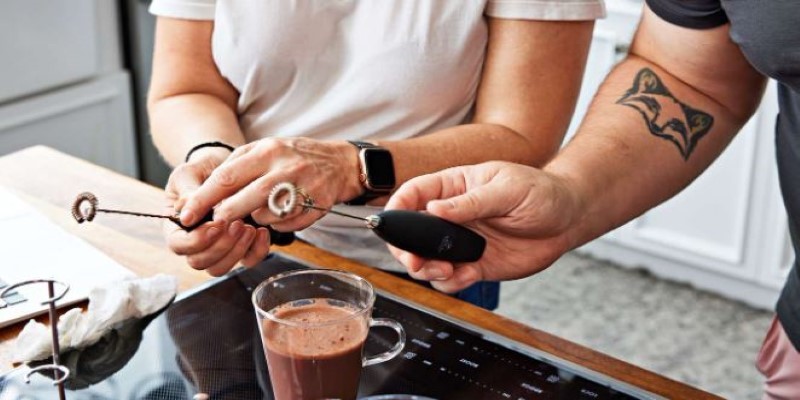
Milk, oat milk, half-and-half, or cream can all improve the drink quickly. A little foam helps too, especially if you want the coffee to feel more café-style. Even a small amount of cream can make the cup feel more deliberate and less rushed.
If you want a fuller black coffee, try a tiny pinch of salt before adding anything sweet. It softens bitterness and makes the cup seem rounder without turning it into a flavored drink. Another subtle move is to use a smaller mug so the coffee does not feel visually or physically diluted.
Sweeten With Purpose
Sugar helps, but it is only one tool. Brown sugar adds warmth, honey softens the cup, and maple syrup gives it a deeper note.
A pinch of salt is one of the easiest fixes for bitterness. It does not make the coffee salty; it just softens the edge. If you want more flavor instead of more sweetness, cinnamon, cardamom, cocoa powder, or a tiny drop of vanilla extract can all work well. Keep additions light so it still tastes like coffee.
For iced coffee, dissolve the sweetener while the coffee is still warm. Sugar blends far better then, and you avoid the gritty finish that happens when granules sink to the bottom of a cold glass.
Make It Iced
Instant coffee can be excellent cold. Chilling it often softens the rougher notes and makes the drink feel cleaner.
The easiest iced version is simple: dissolve the coffee in a little warm water first, then add cold water or milk and pour over ice. That first warm-water step matters because it prevents gritty bits from sitting at the bottom of the glass. If you want a stronger iced drink, make the base more concentrated before adding ice, since the ice will dilute it quickly.
If you like a smoother iced coffee, brew the instant coffee slightly stronger than usual and then cool it before pouring. That helps it keep its flavor after the ice melts. A splash of vanilla or a little sweet cream can also give the drink a softer finish without making it taste heavy.
Use It for Better Drinks
Instant coffee works well as a base for quick drinks instead of just a plain mug. A latte, mocha, or whipped coffee can all taste better than black instant coffee with almost no extra effort.
For a quick latte, dissolve the coffee with a little sugar and just enough hot water, then stir in warm milk. For a mocha, add cocoa powder before the milk goes in. If you want something more indulgent, whip instant coffee, sugar, and hot water until fluffy, then spoon it over milk. Those versions work because they give the coffee more body and structure.
A small upgrade that helps a lot is warming the mug first. Cold mugs steal heat fast, and instant coffee tastes flatter when it cools too quickly. Even a brief rinse with hot water can keep the drink tasting fuller from the first sip to the last.

Keep a Reliable Method
A simple routine usually gives the best results:
- Put 2 teaspoons of instant coffee in a mug.
- Add a small splash of cool water and stir until dissolved.
- Pour in hot water that is just off the boil.
- Taste before adding anything else.
- Finish with milk, sugar, salt, or spice if needed.
That order avoids most of the usual problems. It also gives you a cup that is easier to adjust instead of one that tastes fixed and one-dimensional.
If the coffee tastes bitter, check the water temperature first. If it tastes weak, check the ratio. If it tastes flat, the jar may be the issue. Those three corrections solve more bad instant coffee than any fancy add-in ever will.
Store It Properly
Good instant coffee can still go stale if it is stored badly. Air, heat, light, and moisture all work against it.
A sealed jar in a cool, dry cabinet is usually the safest option. The fridge and freezer are not much help because condensation can cause clumping and dull the flavor. If the coffee stops smelling fresh, the quality has probably already dropped.
One more practical detail: do not leave the lid open while you make coffee. Instant coffee absorbs moisture faster than many people realize, and even repeated quick exposure to humid air can make the texture worse over time.
The Part That Actually Matters
The biggest improvement usually comes from a few small choices, not from a complicated recipe. Better coffee, better water, the right ratio, and one smart finishing touch are usually enough to make instant coffee taste much better than people expect.
It does not need to imitate espresso to be worth drinking. It just needs to taste balanced, clean, and intentional. Once that happens, instant coffee stops feeling like a backup plan and starts feeling like a real option.
You May Like
-

-
Coffee
Coffee Bean Roasting 101: Choosing the Right Roast for Your Taste
-
Guide
Why Fresh Coffee Grinding Improves Flavor and Aroma
-
Guide
Coffee Storage Solutions That Keep Beans Fresh Longer
-
Recipe
The Easiest Mocha Recipe: Just 3 Ingredients For A Decadent Treat
-
Coffee
7 Coffee Accessories Under $30 You Must Own Before Tomorrow Morning